November 3-5, 2026
The Second International Forum on Climate Extremes and Societal Resilience:
Drought, Heat Stress, and Human Livability in a Warming World
(CESR 2026)
- Abstract submission deadline: October 1, 2026
- Notification of abstract acceptance: October 25, 2026
- Registration Deadline: October 25, 2026
- Conference date: November 3-5, 2026, with on-site registration beginning on November 2.
CESR 2026 invites researchers and practitioners to submit abstracts related to the conference themes. All abstracts must be written in English and submitted as a Word file via the Google Form below.
Format Requirements
- Length: One A4 page (incl. figures & tables), 10-point font
- File Format: Microsoft Word (.docx)
- Language: English only
- Title: Concise & descriptive; avoid abbreviations
- Author Info: Full name(s), affiliation(s), and corresponding author's email
- Keywords: 3–5 keywords
- Structure: Background / Objectives → Methods → Results → Conclusions
- Conference Theme: Indicate the relevant theme (Themes 1–5)
- Presentation Type: Oral Presentation or Poster (subject to committee arrangement)
- Please remove all page numbers before uploading
* All accepted abstracts will be included in the CESR 2026 Abstract Book.
All registration fees are in New Taiwan Dollars (NTD). The Early Bird rate is available for payments completed on or before September 30, 2026.
On-site payment only accepts New Taiwan Dollars (NTD) cash.
| Category | Early Bird (Until September 30, 2026) | Regular (After September 30, 2026) |
|---|---|---|
| International Participants | NTD 6,500 | NTD 9,800 |
| Domestic Participants (Taiwan) | NTD 4,200 | NTD 7,500 |
| Students (Full-time) | NTD 3,000 | NTD 4,500 |
Payment Methods
- Account Name: Taiwan Group on Earth Observations
- Account Number: 0473-940-012823
- Bank: E. SUN BANK (808) ; Lisin Branch ; Branch No. 0473
- ATM transfer: provide last 5 digits of source account; Wire transfer: include your name in memo
- Please include the last 5 digits of the transfer when completing the registration form
Credit card payment will not be available for this conference.
- On-site registration only accepts New Taiwan Dollars (NTD) cash
The Taiwan and Global Drought Investigation and Research Center (TGDIRC / DroughtHub), established in 2025 and led by the Center for Space and Remote Sensing Research at National Central University, is dedicated to integrating research and development for global drought monitoring, early warning systems, and adaptation strategies. The core mission of the center is to address the increasingly severe challenges of global climate change, particularly the profound impacts of extreme climate events like droughts and heat stress on human society.
The Sixth Assessment Report of the Intergovernmental Panel on Climate Change (IPCC) clearly states that global warming will lead to more frequent and severe drought events. It is projected that by 2050, over 5 billion people worldwide will face water shortages. As a high-risk region for climate change, Taiwan has deeply experienced this trend in recent years: the centennial drought in 2021 caused a nationwide water supply crisis with economic losses exceeding NT$100 billion; the record-breaking extreme heat events in 2023 not only impacted the energy system but also directly threatened public health and quality of life.
In the face of these unprecedented challenges, the efforts of a single country or institution are no longer sufficient. The international scientific community widely recognizes that only through cross-border, interdisciplinary collaborative research and knowledge sharing can effective solutions be developed. TGDIRC was established against this backdrop, aiming to build an integrated international research platform.
Since its inception, TGDIRC has actively established cooperative relationships with top international institutions such as the National Drought Mitigation Center (NDMC) in the United States, the Commonwealth Scientific and Industrial Research Organisation (CSIRO) in Australia, and the European Climate Adaptation Platform. It also participates in relevant initiatives from the United Nations Office for Disaster Risk Reduction (UNDRR) and the World Meteorological Organization (WMO). At the same time, the center has established research partnerships with countries in the Asia-Pacific region facing similar challenges, including Japan, South Korea, Australia, India, and Vietnam.
To establish a permanent international academic exchange and policy dialogue platform that gathers the wisdom of top global experts in climate extremes, societal resilience, and human livability, TGDIRC has specially planned the first “International Forum on Climate Extremes and Societal Resilience.” This forum aims to become a major annual event in the field of climate science in the Asia-Pacific region and globally, establishing a long-term mechanism for promoting international cooperation, fostering knowledge innovation, and strengthening the scientific basis for policymaking.
Through this forum, we hope not only to showcase Taiwan's strength and international contributions in the field of climate science research but also to provide innovative solutions for the global community to face the challenges of climate change, working together to maintain a livable environment for humanity in a warming world.
This forum is committed to developing the world's most influential research exchange platform on climate extremes and societal resilience, bringing together top interdisciplinary expert wisdom to provide innovative solutions for human sustainability in a warming world. The conference will be held in-person, emphasizing deep face-to-face exchanges and the development of collaborative networks. Paper submissions will use an English abstract system to ensure a high degree of integration in international academic exchange.
The forum focuses on core issues such as drought monitoring and early warning, health impacts of heat stress, water resource security, agricultural resilience, ecosystem adaptation, energy system stability, urban climate governance, and disaster risk management, aiming to establish a complete knowledge chain from scientific research to policy implementation. Based on TGDIRC's founding mission to "promote global climate resilience and safeguard a livable future for humanity," this forum has the following strategic objectives and core values:
- Leading Global Climate Science
Special emphasis is placed on integrating cutting-edge technologies like artificial intelligence, satellite remote sensing, and big data analytics to establish a next-generation, long-term, and real-time climate monitoring and early warning system. We invite top global scientists to jointly explore the theoretical and practical optimization of these systems. By promoting forward-looking practical technology applications and deep dialogue with theory, we aim to set a new benchmark for global research on climate extremes, transitioning from a follower to a leader in scientific innovation. We will shift from responding to challenges to predicting them and establishing diverse solutions. - Building an International Scientific Research Ecosystem
Taiwan holds a unique geographical and research advantage in climate studies. This forum will connect with the international academic community to establish interdisciplinary strategic partnerships, making Taiwan a hub for climate science in the Asia-Pacific region. Through the TGDIRC platform, we will deepen strategic partnerships with top research institutions in the US, Europe, and Australia, establish a permanent global expert network, promote long-term research cooperation, and encourage dialogue between young scholars and the international community. The goal is to shape Taiwan into a bridge for knowledge and policy exchange in global climate governance and to enhance Taiwan's voice and influence on international climate governance issues. - Enhancing National Climate Resilience
Establish a complete transformation mechanism from "science → policy → practice," effectively translating scientific results into practical policy recommendations and assisting the government in implementing them in society and industry. Provide the government with forward-looking climate adaptation strategies, shifting from reactive responses to proactive prevention. When future climate change disasters occur, Taiwan can transform from being merely a victim to a solution provider, becoming a model case for global climate resilience governance. - Promoting the Realization of Sustainable Development Goals
Closely align with the UN 2030 Agenda for Sustainable Development, particularly addressing SDG 6 (Clean Water and Sanitation), SDG 11 (Sustainable Cities and Communities), SDG 13 (Climate Action), and SDG 15 (Life on Land). Propose breakthrough solutions in areas such as water resources, urban resilience, climate change response, and environmental protection to ensure that the conference outcomes have a substantial impact on the sustainable development agenda and demonstrate Taiwan's tangible contribution to global sustainable development. - Catalyzing Interdisciplinary Innovation and Integration
Solving climate challenges relies not only on in-depth exploration within a single discipline. By breaking traditional disciplinary boundaries, we will promote deep integration between climate science, public health, sociology, economics, and engineering technology. We will cultivate a new generation of climate experts with systemic thinking, foster new frontiers of research knowledge and innovative policy strategic frameworks, and drive solutions from single-point breakthroughs to systemic innovation. - Establishing a Global Knowledge Sharing Mechanism
Create an open international research platform to incentivize cross-national research team exchanges and collaboration. Promote data sharing, technology transfer, and talent exchange to ensure that climate science research results can be rapidly transformed into global public welfare, allowing scientific knowledge to truly serve the construction of a community with a shared future for mankind.
- Constructing a Global Climate Resilience Research Ecosystem
Deepen strategic partnerships between Taiwan and top global climate research institutions, including the US National Drought Mitigation Center, the European Climate Adaptation Platform, and Australia's CSIRO, to establish a permanent international expert network. The forum platform is expected to initiate at least 5 major international cooperation projects, making Taiwan a core hub for climate extreme event research in the Asia-Pacific region and significantly enhancing our country's voice and influence in international climate science. - Catalyzing Breakthroughs in Interdisciplinary Innovative Research
Through in-depth group discussions on eight core themes (drought monitoring and early warning, health impacts of heat stress, water resource resilience, agricultural adaptation, ecosystem protection, energy security, urban climate governance, and disaster risk management), we will break traditional disciplinary boundaries. This will promote innovative integration between climate science and fields like public health, sociology, economics, and artificial intelligence. We anticipate generating over 10 breakthrough interdisciplinary research proposals, providing original Taiwanese solutions to global climate challenges. - Enhancing National Climate Adaptation Governance Capacity
Focusing on the dual threats of drought and heat stress faced by Taiwan, the forum will conduct in-depth discussions on key issues such as the establishment of early warning systems, smart water resource management, urban heat island mitigation, agricultural resilience enhancement, and health protection mechanisms. By establishing a complete transformation mechanism from "science → policy → practice," we will provide the government with forward-looking and actionable climate adaptation strategies. This is expected to reduce socioeconomic losses from extreme climate events by over 30% and develop Taiwan into a model case for global climate resilience governance. - Boosting International Academic Impact
Establish a rigorous international peer-review mechanism and compile a "Special Issue on Climate Extremes and Societal Resilience," meeting the standards of top international journals. Outstanding research results will be recommended for publication in high-impact journals, with an expectation of producing 5 or more SCI papers with a total impact factor exceeding 10. Simultaneously, an annual TGDIRC report mechanism will be established to serve as an important reference for global climate policymaking, significantly enhancing the international academic standing and practical impact of Taiwan's climate science research. - Cultivating Next-Generation Climate Science Leaders
Provide opportunities for graduate students and young scholars from home and abroad to engage in deep exchanges with top international experts, establishing a global talent cultivation network. The "Young Scholar Best Paper Award" and "International Exchange Scholarship" will be established to support outstanding talent for cooperative research abroad for six months or more. We expect to cultivate over 50 climate experts with an international perspective and systemic thinking, laying a solid talent foundation for the long-term development of climate science in Taiwan. - Establishing a Sustainable Knowledge Sharing Mechanism
Construct an open online research platform to promote the real-time sharing of global climate data, monitoring technologies, and adaptation strategies. Establish a TGDIRC digital knowledge base to house research findings related to global drought and heat stress, becoming a vital resource center for the international climate science community. Through the regular publication of the "Global Climate Extreme Events Monitoring Report," we will provide scientific decision support to international organizations such as the United Nations and the World Bank, demonstrating Taiwan's substantial contribution to global climate governance.
Theme 1: Drought Monitoring and Early Warning Technologies
Drought is one of the most destructive natural disasters globally, with impacts spanning agricultural production, water resource management, and energy supply, potentially causing huge damage to ecosystem stability and socioeconomic development. As extreme climate change leads to drastic environmental shifts, the frequency and intensity of drought events are gradually increasing. Establishing systematic and scientific drought monitoring and early warning technologies has become an urgent international research and policy need. This theme will focus on the integration and application of multi-source data, including satellite monitoring, ground observation networks, and climate change simulations, to enhance real-time monitoring and prediction capabilities of the drought development process.
Topics will include, but are not limited to:
1. Innovative applications of monitoring technologies
2. Design, comparison, and improvement of drought indices
3. Application of AI and big data analytics in drought monitoring and early warning
4. Establishment of cross-regional drought monitoring platforms and decision support systems
5. Methods for assessing drought impacts on agriculture and ecosystems
6. Climate model simulation and drought event predictionTheme 2: Urban Heat Island Effect and Climate Adaptation
Rapid urbanization and intensifying global warming have made the Urban Heat Island (UHI) effect a major challenge for densely populated areas, as it exacerbates energy demand, strains infrastructure, and affects residents' health and social safety. This theme focuses on the causes of the UHI effect, monitoring technologies, and multi-level adaptation strategies, aiming to establish a comprehensive response that integrates scientific foundations, engineering techniques, and social governance.
Topics will include, but are not limited to:
1. Mechanisms and driving factors of the UHI effect
2. Application of digital technologies in urban heat monitoring
3. Urban climate simulation and heatwave impact prediction models
4. The role of smart city technologies in cooling and energy conservation
5. Effectiveness evaluation of urban renewal and land use planning in mitigating the UHI effect
6. Sustainable development through the combination of digital technology and green architectureTheme 3: Climate Policy, Water Resource Management, and Societal Resilience
Climate change is drastically affecting the stability of the water cycle system, with water resource issues becoming increasingly severe due to droughts, floods, and environmental pollution. How to enhance societal resilience and adaptability through forward-looking climate policies and effective water resource management has become a crucial issue for all nations. This theme will focus on interdisciplinary governance and collaboration among multiple stakeholders, addressing policy, management, and social innovation to establish a fair and sustainable water resource governance framework.
Topics will include, but are not limited to:
1. Water resource governance policies and institutional design under climate change; interdisciplinary resilience integrating hydrology, public policy, economics, and sociology
2. Cooperative mechanisms for trans-basin or transnational water resource management
3. Application of smart water grids, IoT, and AI in water resource regulation
4. Adaptation strategies involving groundwater development, reclaimed water use, and non-conventional water resources
5. Water resource risk management and social equity
6. Resilience assessment and decision support methods for water resources in the face of extreme droughts and floodsTheme 4: Health Impacts of Climate Change
Climate change has become one of the most severe public health challenges of the 21st century. Extreme heat, droughts, water shortages, and other extreme weather events are directly or indirectly threatening human health and social development. Climate impacts lead to issues such as heatstroke, cardiovascular diseases, the spread of infectious diseases, and deteriorating food and nutrition security, exacerbating health inequalities and placing vulnerable populations at higher risk, which can cause potential fluctuations and impacts on social stability. This theme focuses on scientific research, health risk assessment, and policy implementation, soliciting interdisciplinary research findings and case studies to promote the development of health-oriented climate adaptation strategies.
Topics will include, but are not limited to:
1. Impact assessment of high temperatures and heatwaves on cardiovascular and respiratory diseases
2. Climate change and the epidemiology of infectious diseases
3. Research on mental health and social stress under climate impacts
4. Building the climate resilience of healthcare systems
5. The relationship between climate change and public health management risks
6. Application of protective measures for vulnerable populations' healthTheme 5: Economic Impact Assessment of Extreme Climate Events
Extreme climate events such as droughts, floods, heatwaves, and hurricanes not only cause direct damage to infrastructure and production systems but also have profound economic impacts through supply chain disruptions, energy price volatility, labor losses, and rising insurance costs. Quantifying and assessing these impacts, and further proposing specific financial, policy, and market response measures, is a crucial foundation for enhancing societal resilience. This thematic session focuses on the economic risk assessment and adaptation strategies for diverse industries, production supply chains, and market environments under extreme climate conditions.
Topics will include, but are not limited to:
1. Disaster risk models, actuarial science, and reinsurance mechanism design
2. The impact of climate events on energy markets, agricultural output, and supply chains
3. Economic risk assessment within the ESG framework
4. Economic vulnerability and adaptation strategies for SMEs and local communities facing extreme climate events
5. The impact of climate migration and population displacement on labor markets and local economies
6. Resilience and recovery of urban, community, or market environments under climate impacts
2026 International Forum on Climate Extremes and Societal Resilience: Drought, Heat, and Human Livability in a Warming World
2nd International Forum on Climate Extremes and Societal Resilience: Drought, Heat, and Human Livability in a Warming World
- Conference DatesNovember 3 (Tuesday) – November 5 (Thursday), 2026
- VenueCenter for Space and Remote Sensing Research, National Central University
- AdvisorsNational Central University (NCU)
Taoyuan City Government
National Science and Technology Council (NSTC) - OrganizerTaiwan and Global Drought Investigation and Research Center (TGDIRC / DroughtHub)

- Co-organizersDepartment of environmental protection, Taoyuan City Government
 Taiwan Group on Earth Observations (TGEO)
 The Institution of Engineering and Technology (IET) – Taipei Local Network
- Organized under the auspices of:National Central University (NCU)
 Taoyuan City Government
 National Science and Technology Council
 Ministry of Agriculture
- Conference ChairsChair Professorship. Yuei-An Liou
Advisors
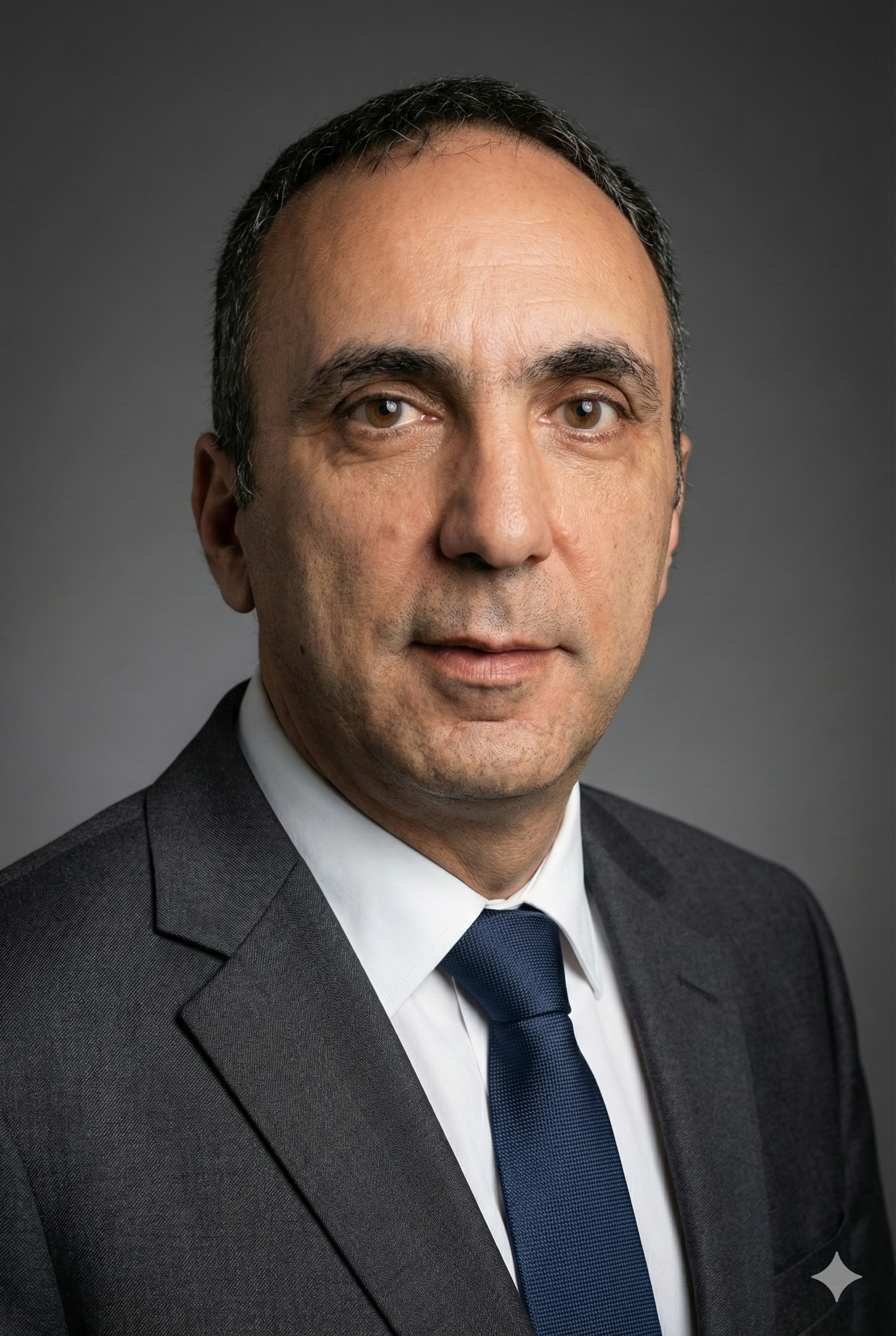
Dara Entekhabi
Professor / Fellow Professor, M.I.T. & Fellow of the National Academy of Engineering (NAE)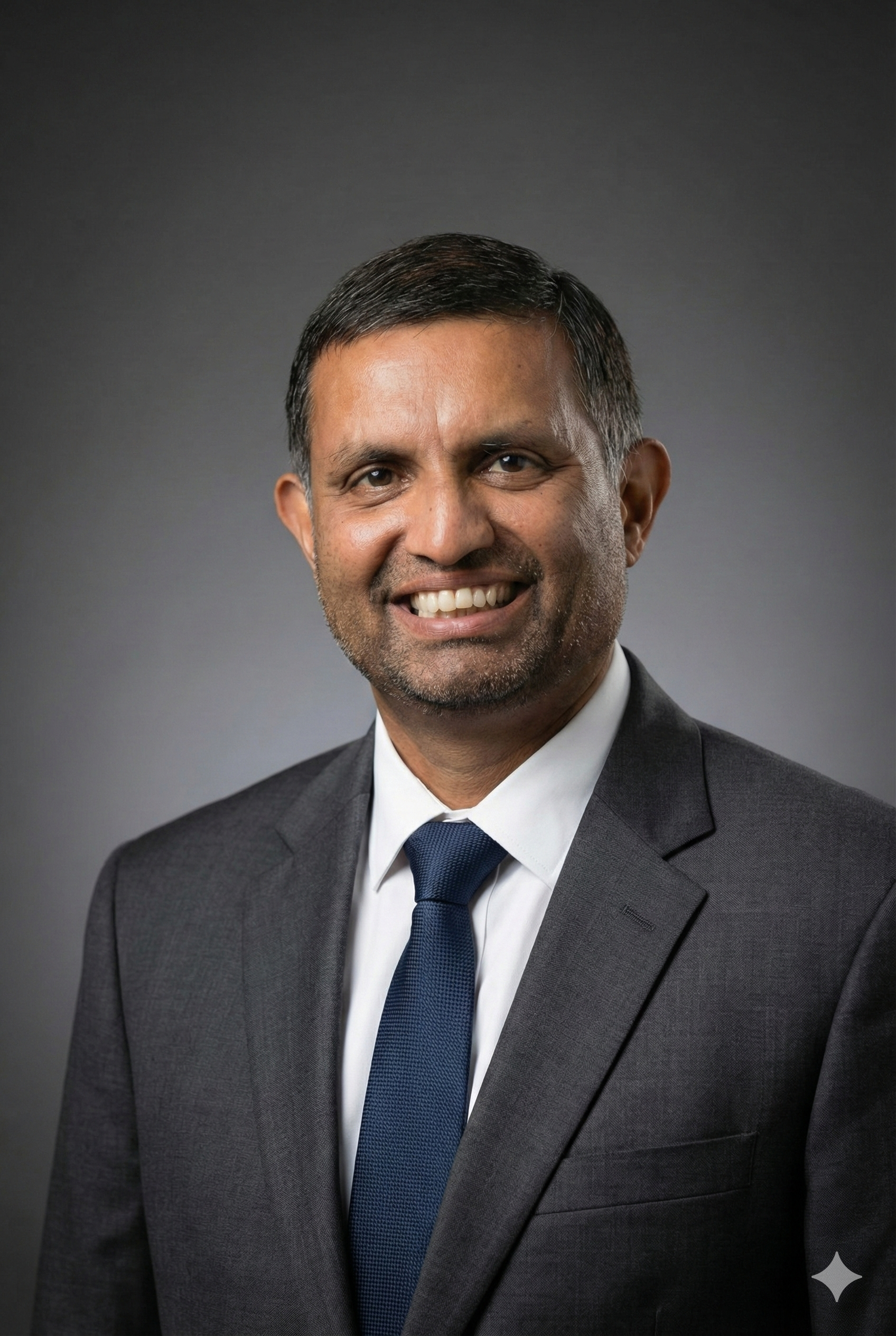
Venkataraman Lakshmi
Chair Professor / President John L. Newcomb Chair Professor, University of Virginia President, Hydrology Section, American Geophysical Union (AGU)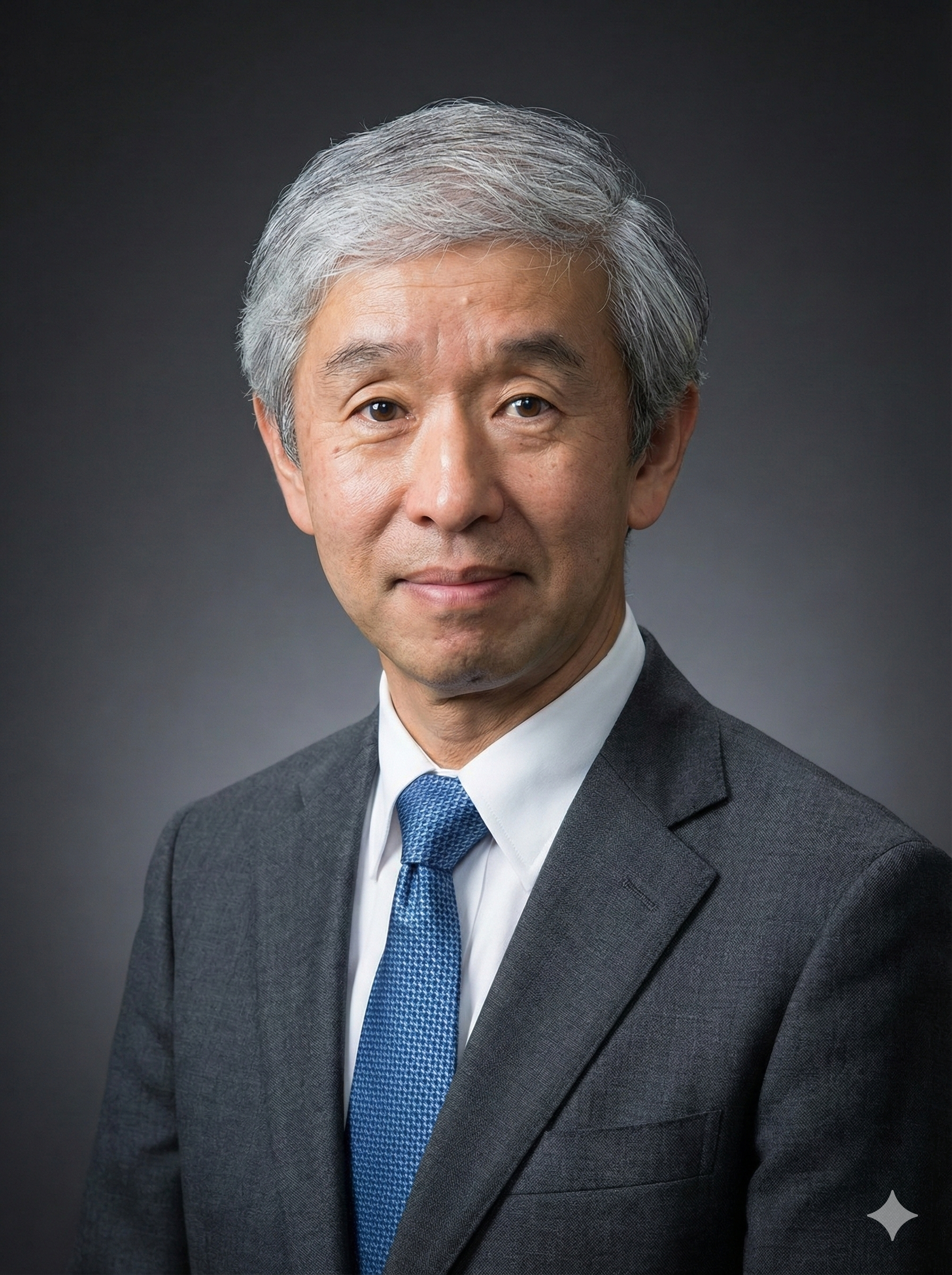
Takashi Oguchi
Professor / President Currently serves as Vice President of the International Association of Geomorphologists (IAG), President of the Japan Geoscience Union (JpGU), and President of the Association of Japanese Geographers Former President of the Japan Society of Geomorphology and the Japan Society for Geographical Information Systems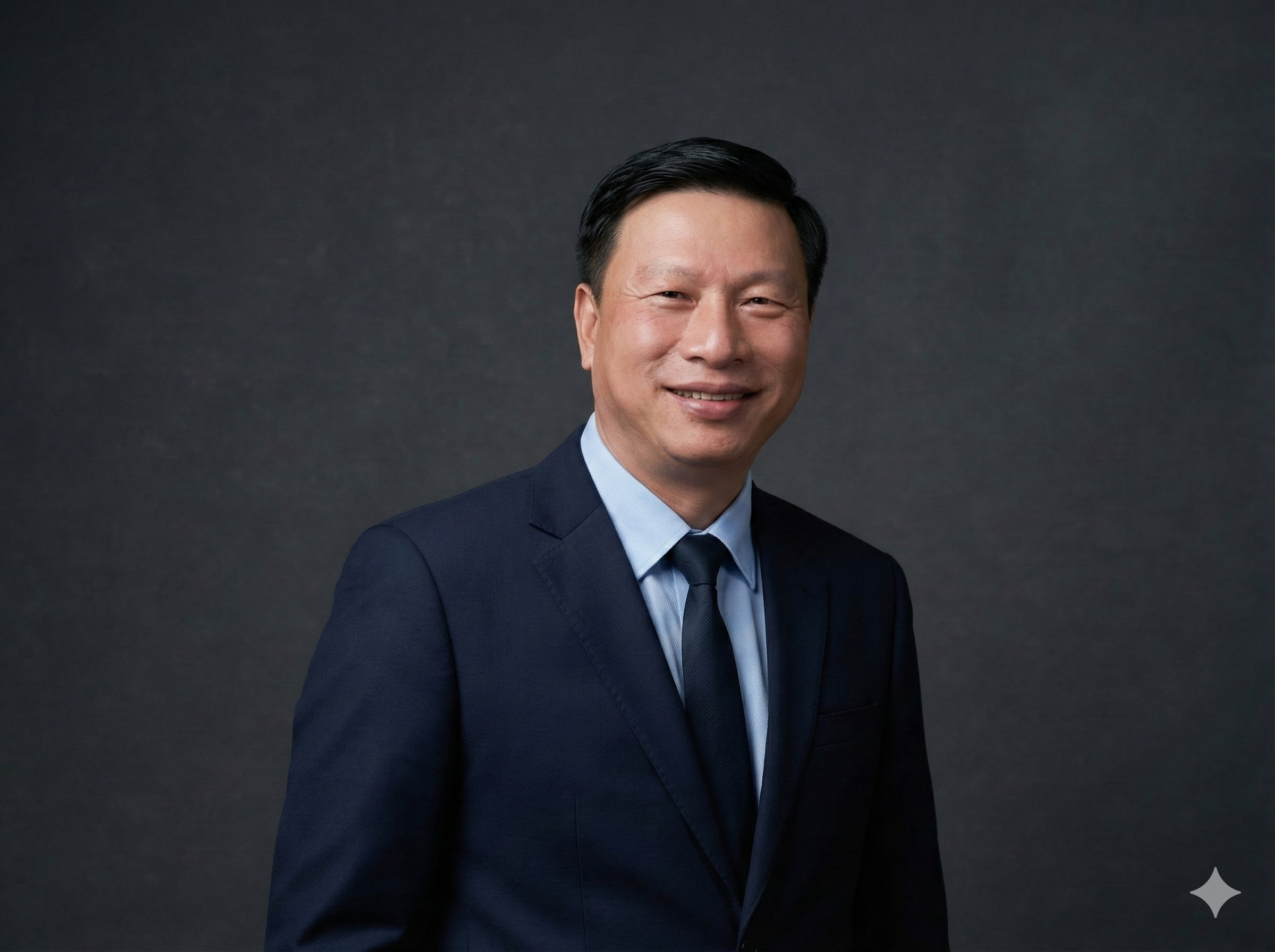
Former President
Advisor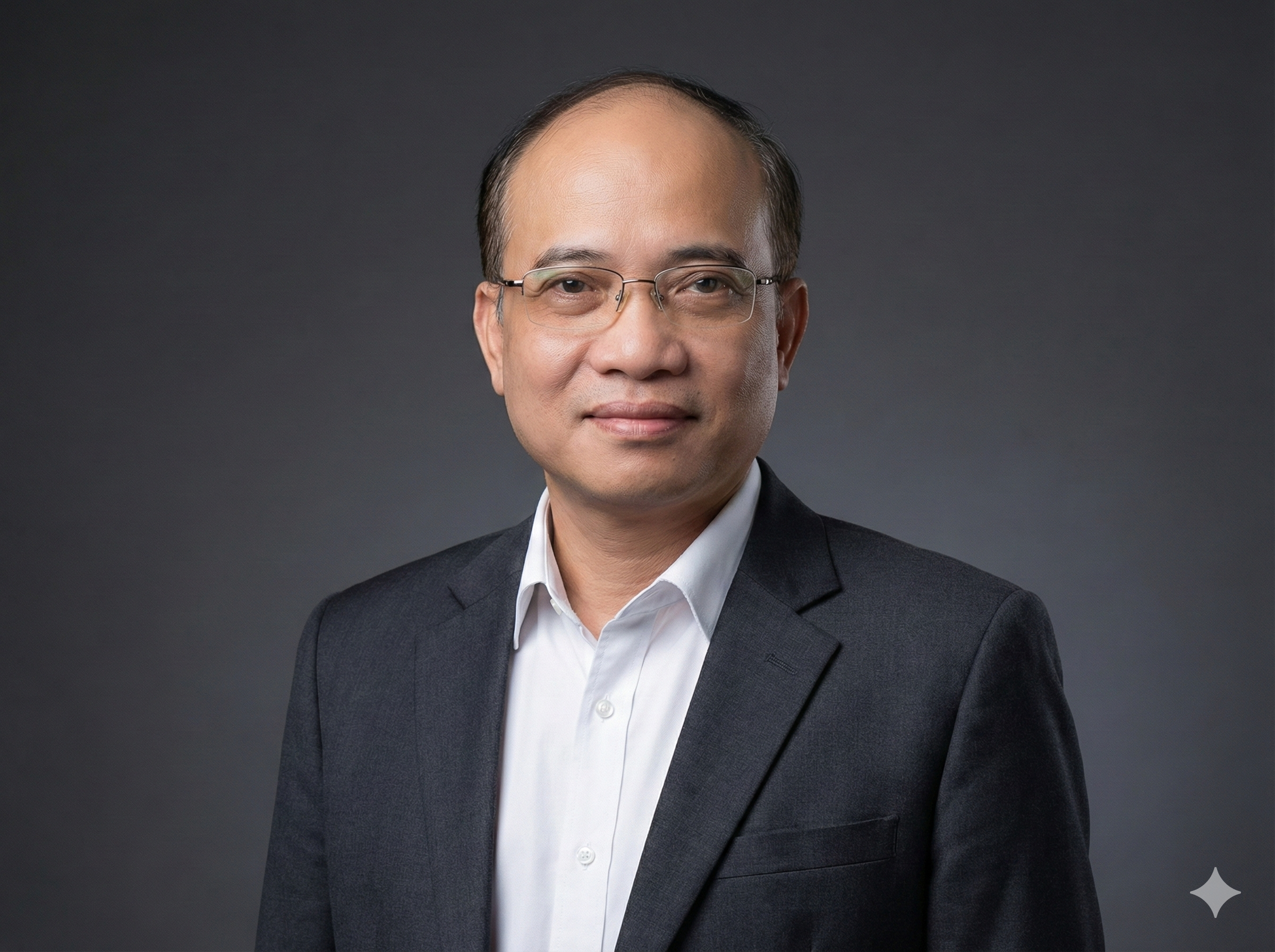
EME President
Advisor
HUMG
Advisor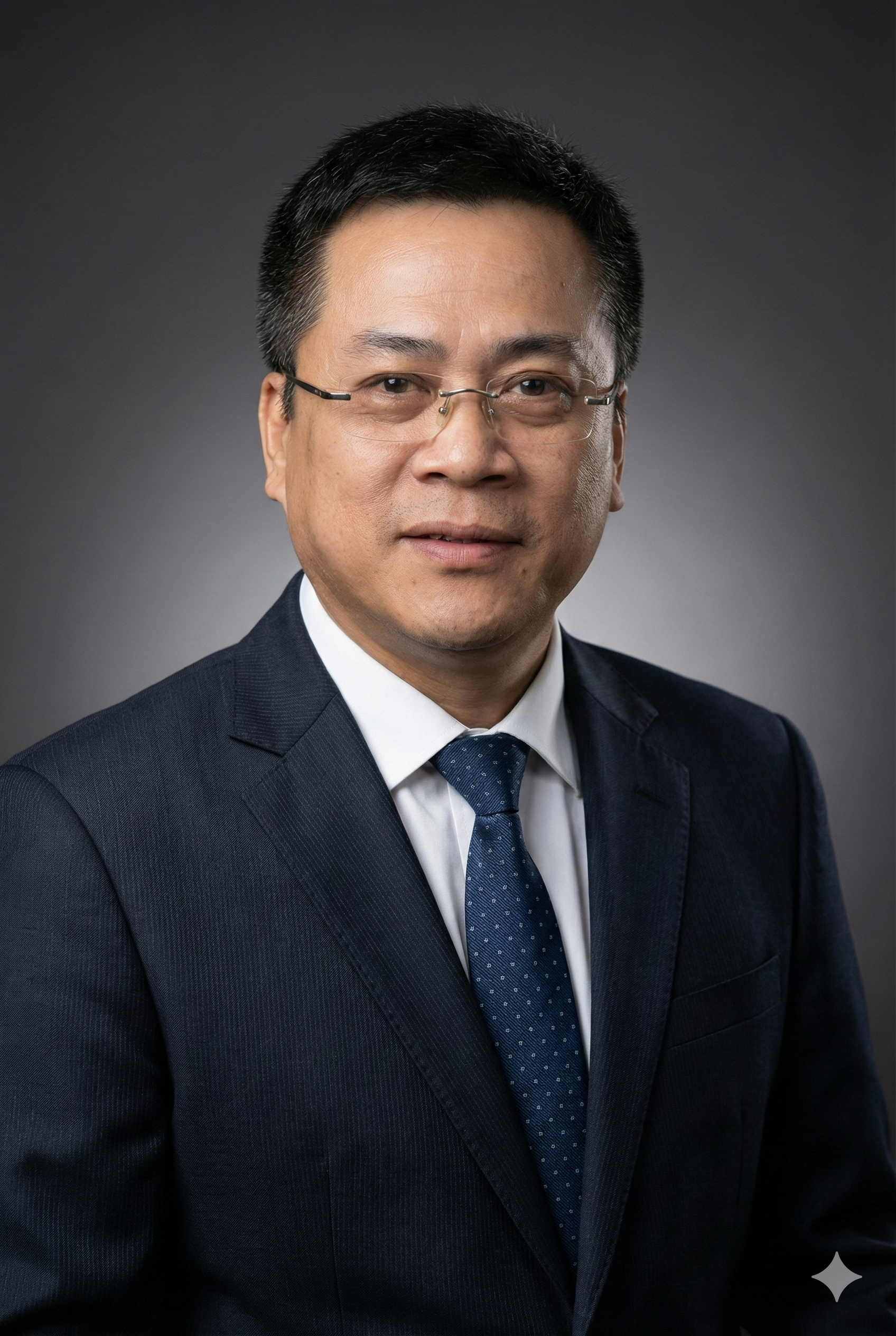
Tran Minh Tien
Vice President / Professor Vice President of the Vietnam Academy of Agricultural Sciences (VAAS)Team Members
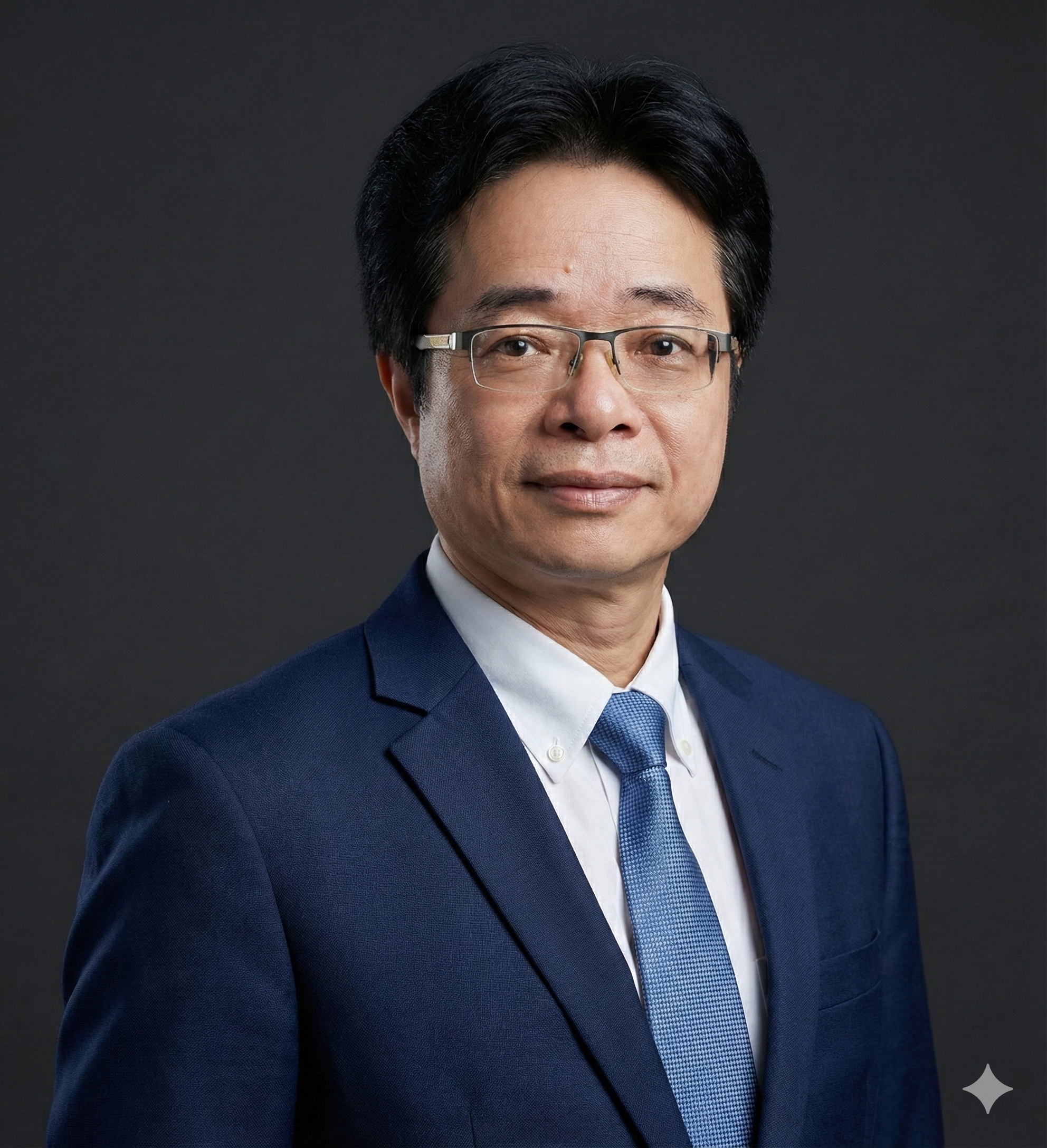
Yuei-An Liou
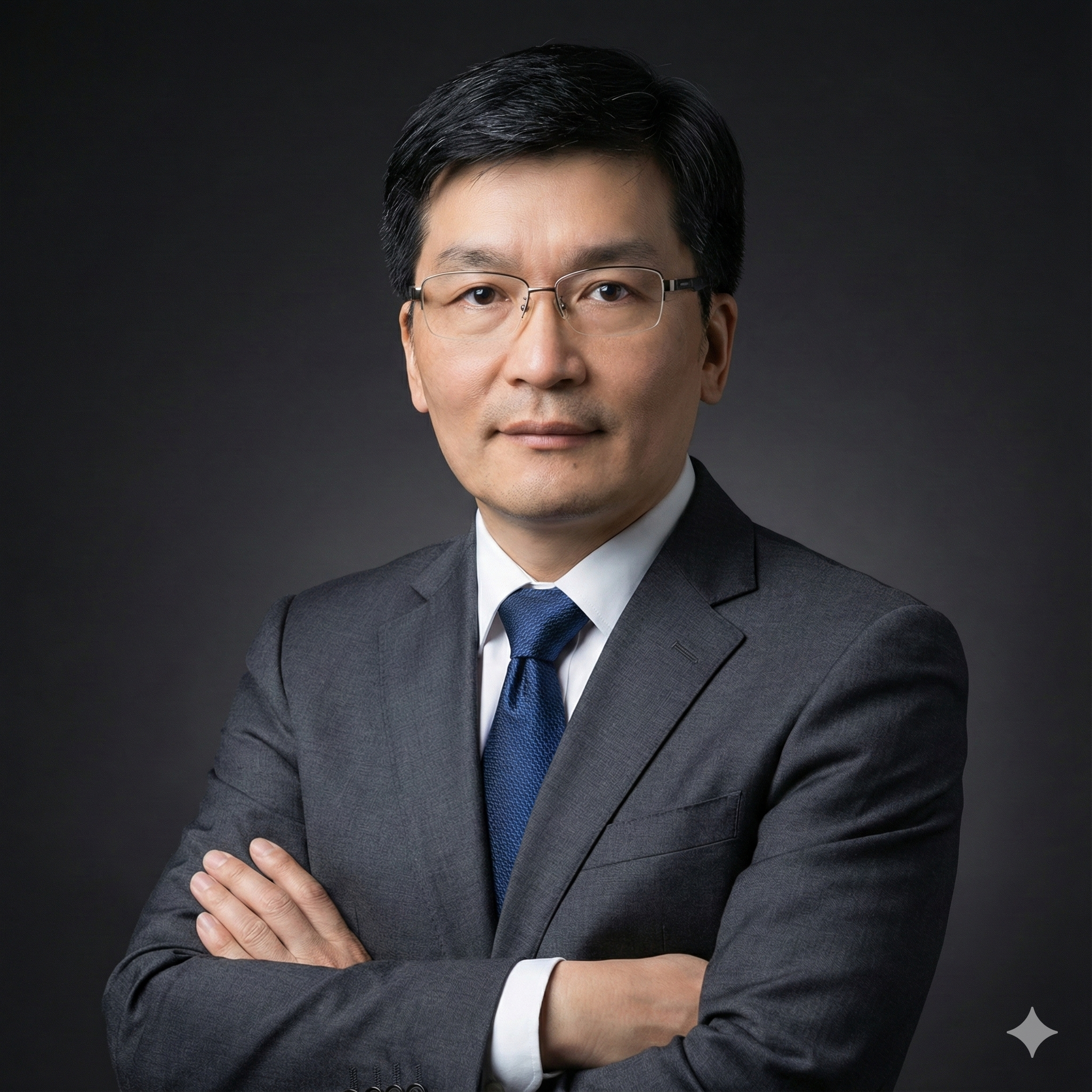
Chien-Wen Shen
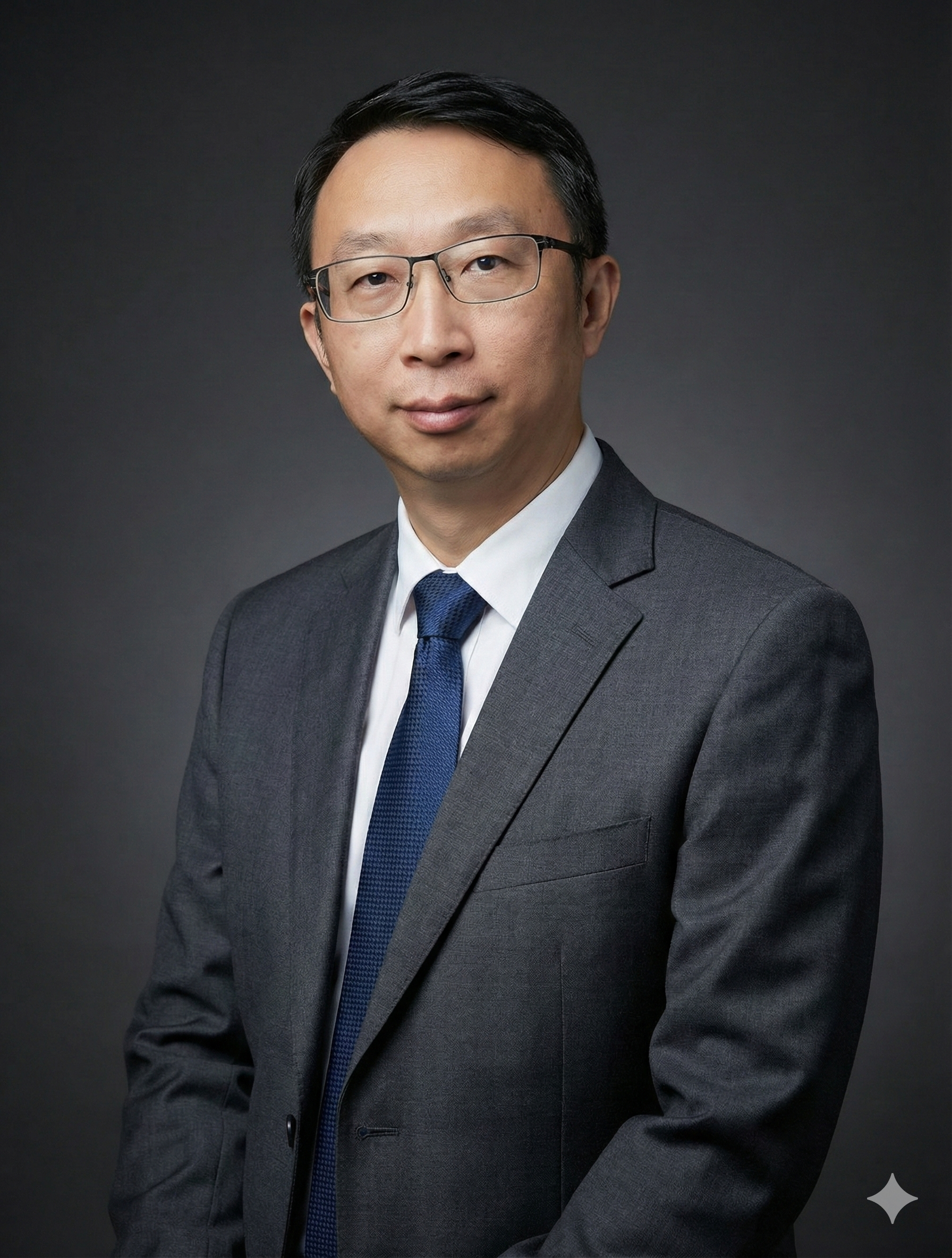
Cheng-Ling Kou
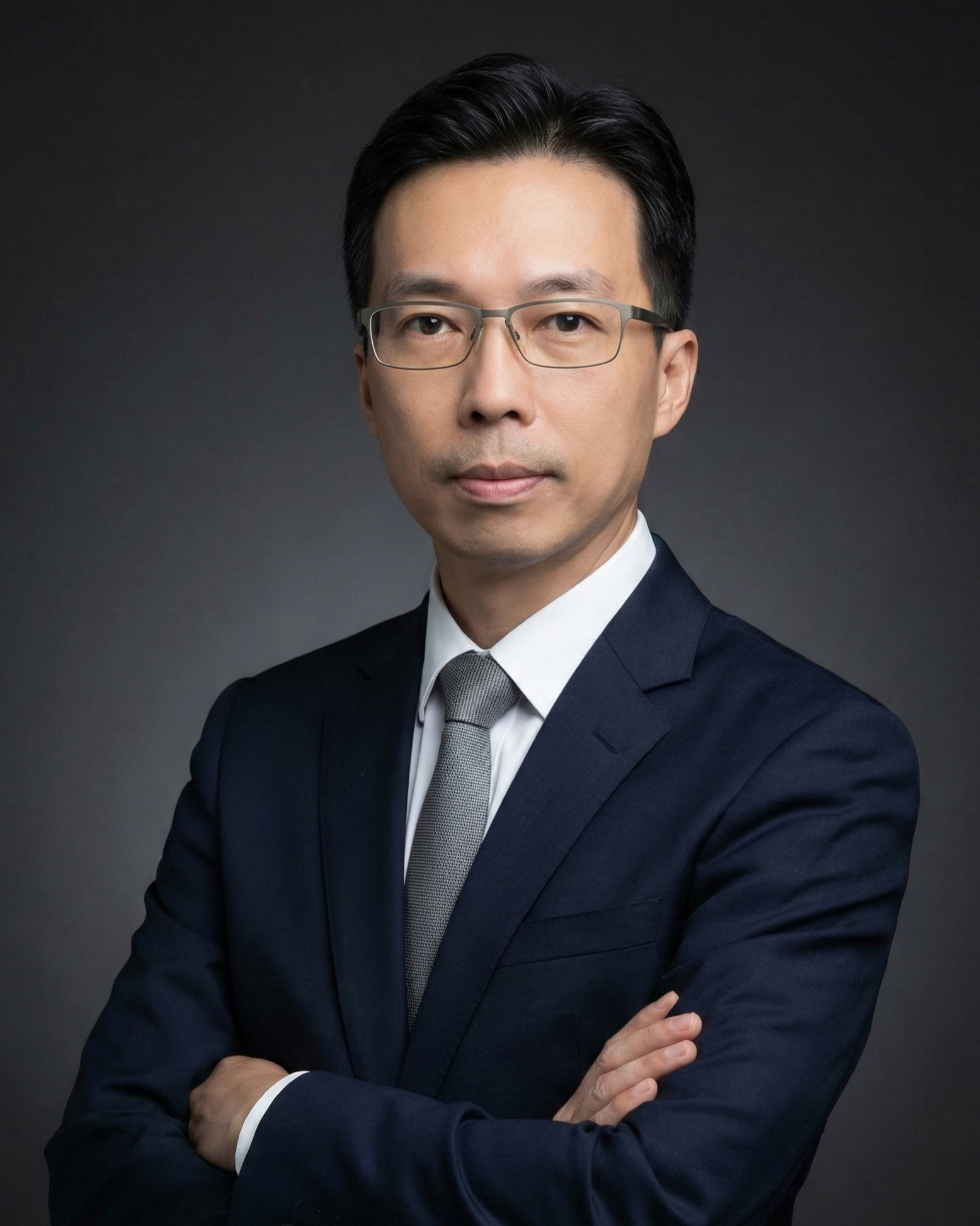
Wen-Chin Hsu

Hsiao-Ting Tseng
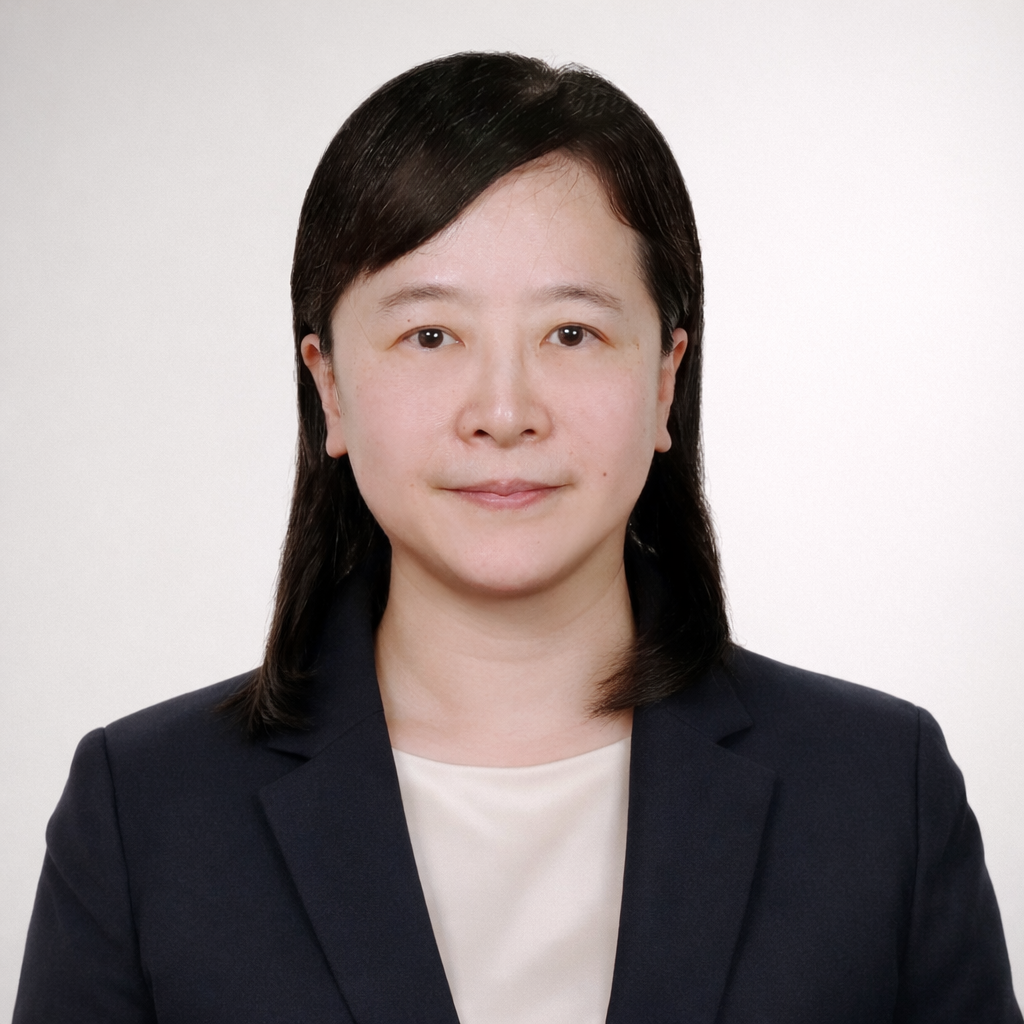
Yueh-Hsia Luo

Chun-Hsien Hsu
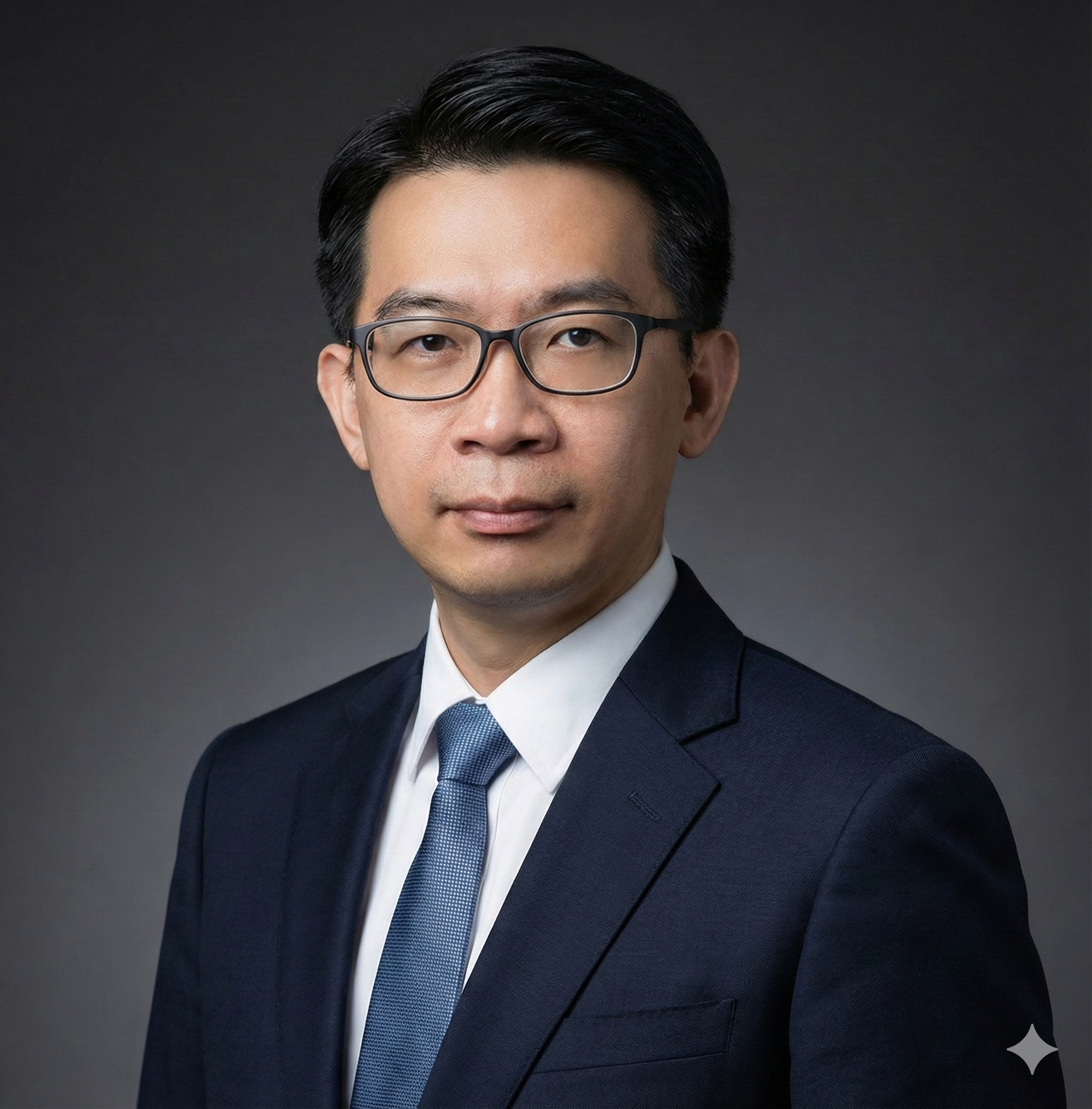
Shou-Hao Chiang
Plenary Session Speakers
- Dara Entekhabi
Professor / Fellow
Professor, M.I.T. & Fellow of the National Academy of Engineering (NAE)
Expertise: Remote Sensing Earth Science, Land-Atmosphere Interaction, Hydrological Modeling, Surface Water-Groundwater InteractionPresentation: Linkages Between the Water, Energy, and Carbon Cycles in the Earth System
Presentation: The Drought Cascade and Drought Amplification Due to Heat Waves
- Takashi Oguchi
Professor / President
Professor at the University of Tokyo
Currently serves as Vice President of the International Association of Geomorphologists (IAG), President of the Japan Geoscience Union (JpGU), and President of the Association of Japanese Geographers
Former President of the Japan Society of Geomorphology and the Japan Society for Geographical Information Systems
Renowned for profound expertise and international influence in geomorphology and spatial information sciencesPresentation: Emerging necessity of drought-related geomorphological research in Japan and Taiwan
- Trần Minh Tiến
Vice President / Professor
Vice President of the Vietnam Academy of Agricultural Sciences (VAAS)
This forum is part of the “DroughtHub Drought Resilience Research Program.”
Professor Tiến will lead a delegation to participate in bilateral meetings and academic exchanges, focusing on collaborative research in drought adaptation and agricultural innovation.Presentation: Current State of Rice Soil Health in Vietnam and Solutions for Improvement
- Venkataraman (Venkat) Lakshmi
Chair Professor / President
John L. Newcomb Chair Professor, University of Virginia
President, Hydrology Section, American Geophysical Union (AGU)
Expertise: Hydrological Remote Sensing, Climate Change Impact AssessmentPresentation: Observing hydrological extremes from space
- Ngo Duc Minh
Principal Researcher
Vietnam Academy of Agricultural Sciences(VAAS)
Expertise: Soil science, climate-smart agriculture, low-carbon and organic farming, and sustainable agri-food systemsPresentation: Current Status of National Policy of Soil Health Governance in Vietnam
- Swapan Talukdar
Assistant Professor
Asutosh College, University of Calcutta
Expertise: Environmental Sustainability, Water Resource Management, Remote Sensing, AI/ML ApplicationsPresentation: Decoding Emerging Hydroclimatic Extremes in India through Space Observations and Climate Projections
- Praveen Kumar
Assistant Professor
Tata Institute of Social Sciences, Mumbai, India
Expertise: Social-Ecological Systems, Climate Change Vulnerability and Adaptation, Climate RiskPresentation: Community-led Climate Resilience in Informal Settlements: Lessons from Mumbai
- Ben Jarihani
Associate Professor
James Cook University, Australia
Expertise: Hydrology, Remote Sensing and GIS, Watershed Modeling, Natural Resource ManagementPresentation: Satellite-Based Water Mapping, Monitoring, and Modelling for Drought Applications
- Lisa Law
Associate Professor
James Cook University, Australia
Expertise: Urban Studies in Southeast Asia and Tropical Australia, Livability, Place-based Urban DesignPresentation: Designing for a Hotter Cairns: Evidence-Based Strategies for Liveability in a Hot and Humid
- Rafael Cabral Carvalho
Lecturer
James Cook University, Australia
Expertise: Coastal geomorphology, sedimentology, and marine geospatial analysisPresentation: Droughts and deltas: an Earth Science perspective on climate change, societal development
- Faiz Shah
Executive Director
Yunus Centre, Asian Institute of Technology, Thailand
Expertise: Social Enterprise, Sustainable Development, Corporate Responsibility, Grassroots Innovation EmpowermentPresentation: Social Business as a lever for Climate Resilience
- Piotr Wezyk
Professor
University of Agriculture in Krakow, Poland
Expertise: LiDAR Scanning and Remote Sensing Applications, Urban and Economic Forest Management, Spatio-temporal GIS Analysis, Urban Green Space Ecosystem ServicesPresentation: Time series of LiDAR point clouds and fusion of other data and geoinformation technologies in monitoring the quality of life of Krakow residents.
- Nguyen Kim Anh
Senior Researcher
Vietnam National Space Center
Expertise: Ecological Environmental Vulnerability Assessment, Natural Disasters, Urban Green Space ManagementPresentation: Compound Drought- Heat Extremes Under Climate Change: From Satellites to Decision Support
- Carolyn Cordery
Chair / Professor
New Zealand Accounting Standards Board / Victoria University of Wellington
Expertise: Non-profit Organization Accounting, Public Sector Auditing, Comparison of International Financial Reporting StandardsPresentation: Community resilience: preparing and responding to climate-driven events
- Susanta Mahato
Assistant Professor
Dr. Harisingh Gour Vishwavidyalaya
Expertise: Land-Atmosphere Interaction, Urban Climate Dynamics, Thermal Remote Sensing, Applied Geospatial AnalysisPresentation: Understanding Early Summer Warming: Trends, Threats, and Implications for Resilience
CESR 2026 Agenda
Day 1 - Nov 2 (Mon.) | Registration
| Time | Event |
|---|---|
| 14:00 - 17:00 | Registration The exact check-in time will be notified individually. |
Day 2 - Nov 3 (Tue.) | Keynote Lectures & Paper Presentations
Day 3 - Nov 4 (Wed.) | Keynote Lectures & Paper Presentations
Day 4 - Nov 5 (Thu.) | Yangmingshan Field Survey (By Invitation)
* Specific sessions for keynote lectures and paper presentations will be announced individually after the abstract submission deadline and posted on this website.
Conference Registration & Contact Info
Welcome to register online for CESR 2026. Click the button below or scan the QR code on the right to proceed to the registration page. If you have any questions, please feel free to contact us.
Contact Person
tgdirc.ncu@gmail.com
Scan QR Code to Register
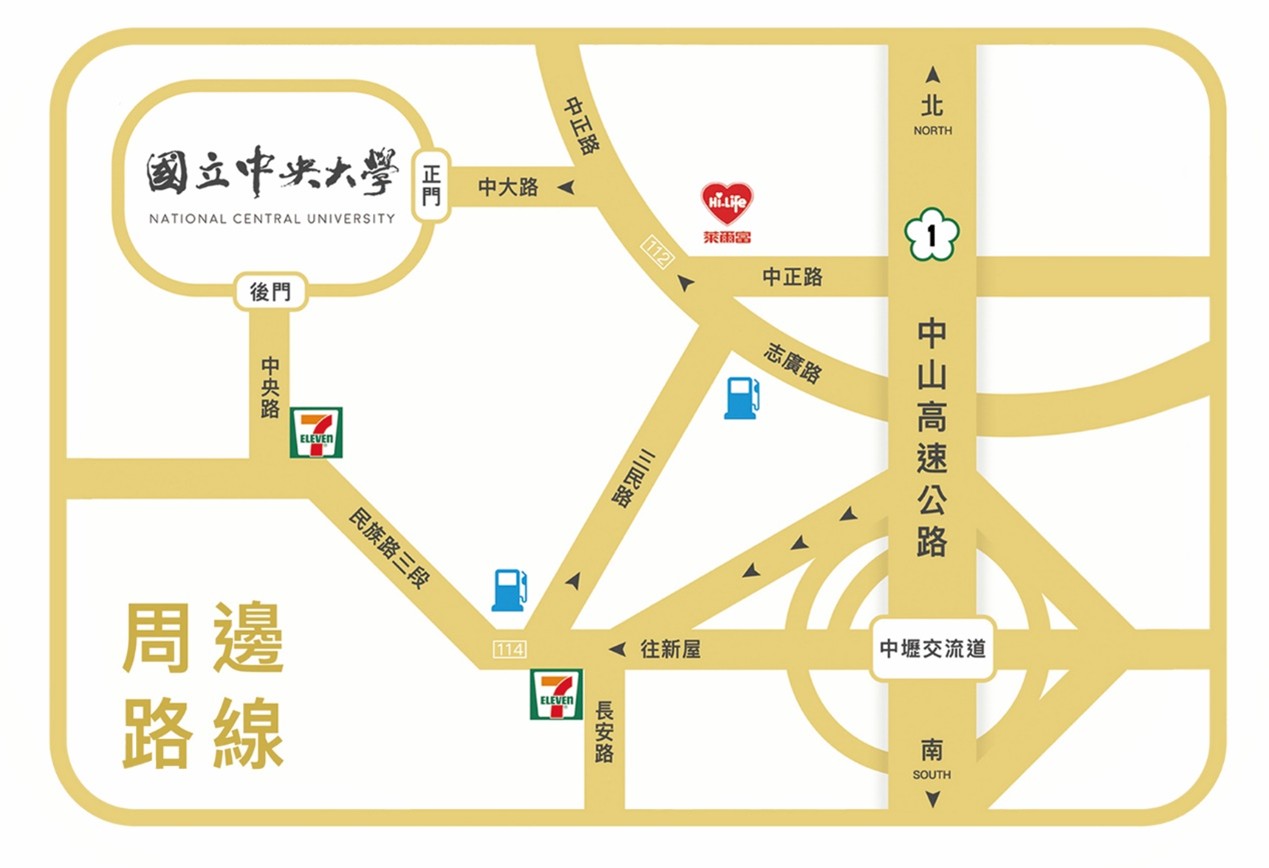
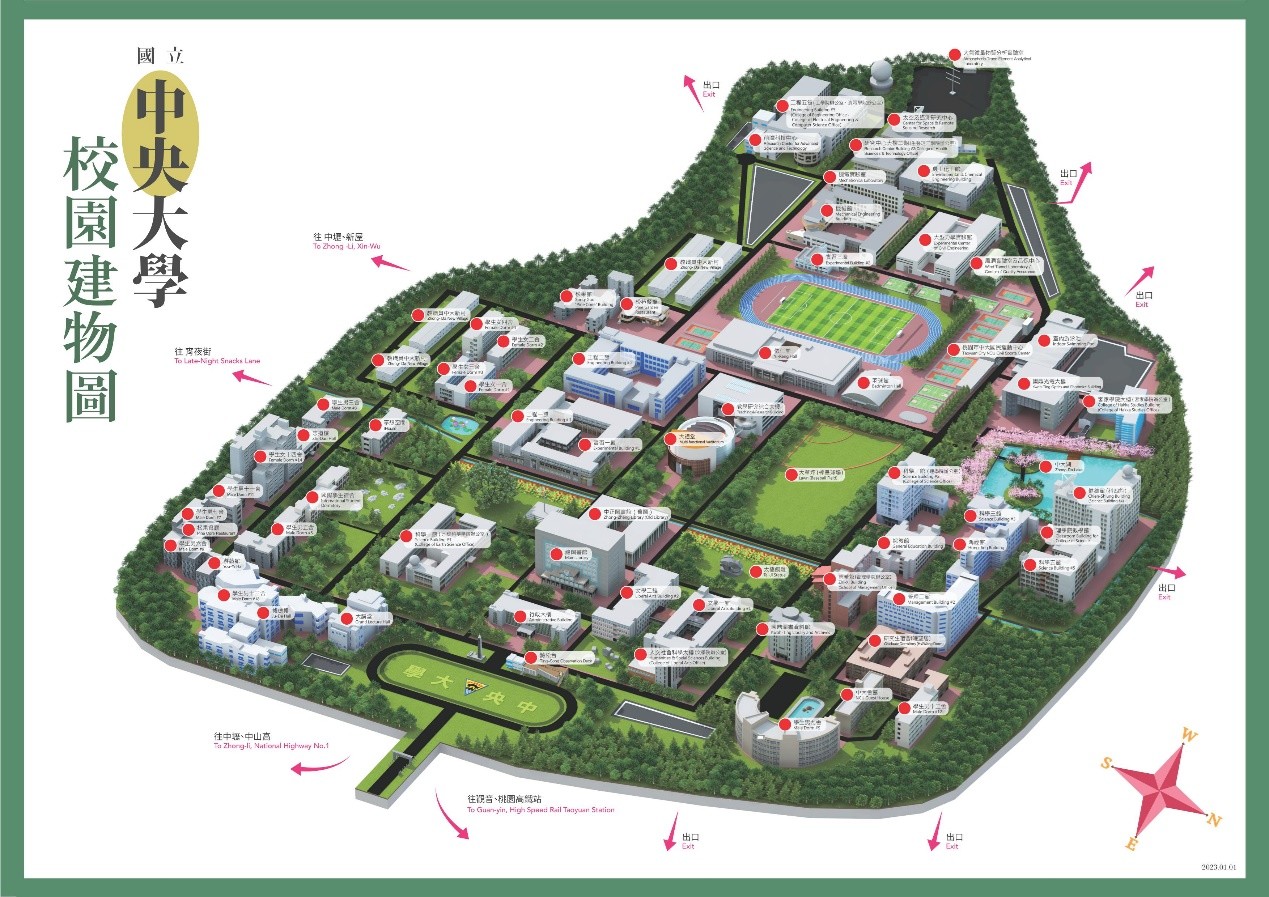
Venue & Location
Center for Space and Remote Sensing Research, National Central University
Hosted by:
- Taiwan and Global Drought Investigation and Research Center (TGDIRC / DroughtHub)
Co-hosted by:
- Department of environmental protection, Taoyuan City Government
- Taiwan Group on Earth Observations (TGEO)
- The Institution of Engineering and Technology (IET) – Taipei Local Network
Organized under the auspices of:
- National Central University (NCU)
- Taoyuan City Government
- National Science and Technology Council
- Ministry of Agriculture
- Ministry of Education